Winter Skincare Routine for Dry & Sensitive Skin


Winter makes skin dry and sensitive. This complete winter skincare routine will help you get soft, glowing, hydrated skin using affordable products.
1.Introduction
Winter is one of the harshest seasons for your skin—especially in countries where temperatures drop suddenly and humidity disappears. This change strips your skin of moisture, causing dryness, redness, sensitivity, flaky patches and dullness.
If you've been noticing tight skin after washing your face or your makeup looks patchy, you need a winter-friendly skincare routine.
The good news?
You don’t need expensive products.
You just need hydrating, gentle, barrier-friendly skincare that keeps moisture locked in.
2. Why Winter Damages Your Skin
Cold weather leads to:
Low humidity → less moisture in the air
Dry indoor air (fans, heaters) → absorbs moisture from skin
Hot showers → strips natural oils
Harsh cleansers → weakens skin barrier
Pollution + cold winds → irritation
This is why your skin becomes
Rough
Tight
Itchy
Red
Peeling
Sensitive
A winter routine repairs your skin barrier, which is the protective layer your skin needs to stay healthy.
3. Signs Your Skin Is Dry or Sensitive in Winter
If you have any of these, you need a hydrating routine:
Skin feels tight after washing
Makeup cracks around nose or mouth
Flaky patches on cheeks
Skin looks dull or greyish
Burning sensation after applying products
Lips are dry & peeling
4. Step-by-Step Winter Skincare Routine
In winter, avoid foaming & gel cleansers. Choose cream-based, non-drying formulas.
Why is cleanser important?
Cleanser is important because it removes dirt, oil, makeup, and other impurities to prevent clogged pores and breakouts, while also preparing the skin to better absorb subsequent products like serums and moisturizers.
Regular cleansing helps maintain skin health, balances oil production, and leads to a smoother, more radiant complexion.
Key benefits of using a cleanser
Removes impurities:
Cleansers wash away daily buildup like dirt, oil, pollutants, and makeup, which can clog pores and lead to acne.
Prepares skin for other products:
A clean surface allows serums, moisturizers, and other treatments to penetrate the skin more effectively, making them more efficient.
Balances oil production:
Cleansing helps manage the skin's oil levels. It can remove excess oil from oily skin and prevent overproduction that can occur if dry skin becomes stripped of moisture.
Maintains skin health:
It helps maintain the skin's natural moisture barrier and pH balance, which is crucial for healthy, hydrated skin.
Improves complexion:
By clearing away dead skin cells and impurities, cleansing promotes skin renewal and can lead to a smoother, brighter complexion
RECOMMENDED

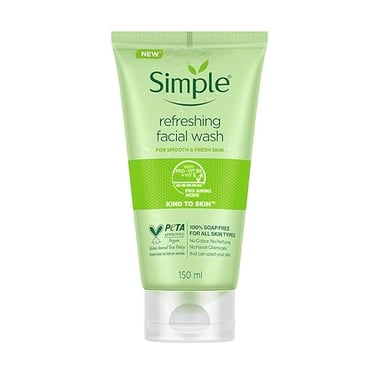
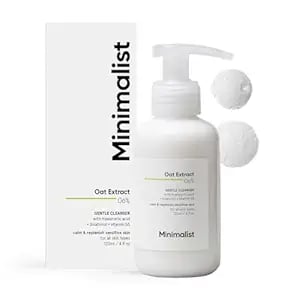
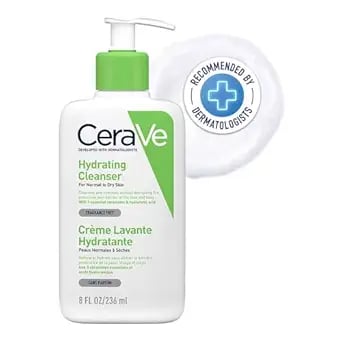
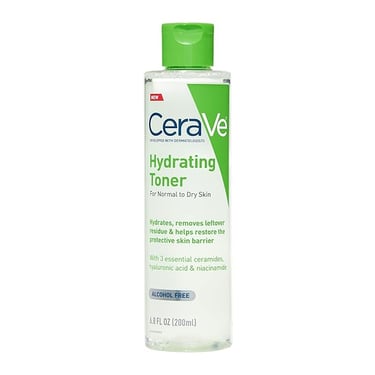
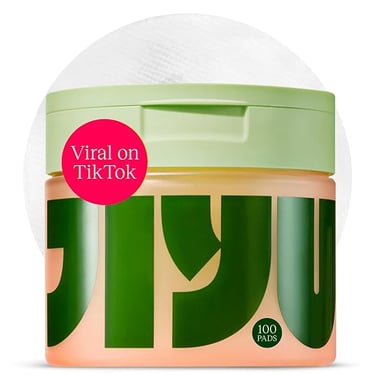
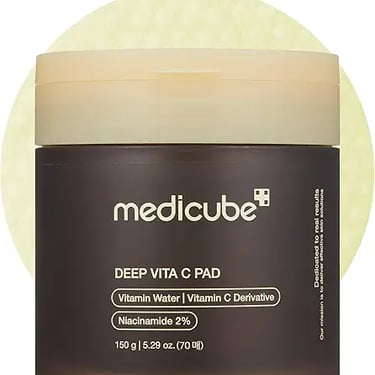
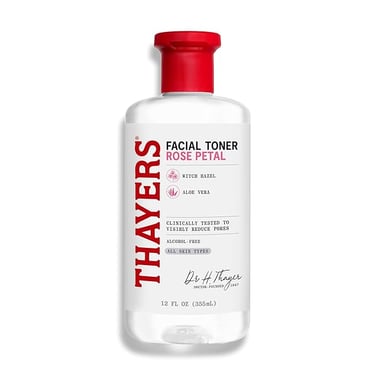
Step 2: Apply a Hydrating Toner or Essence
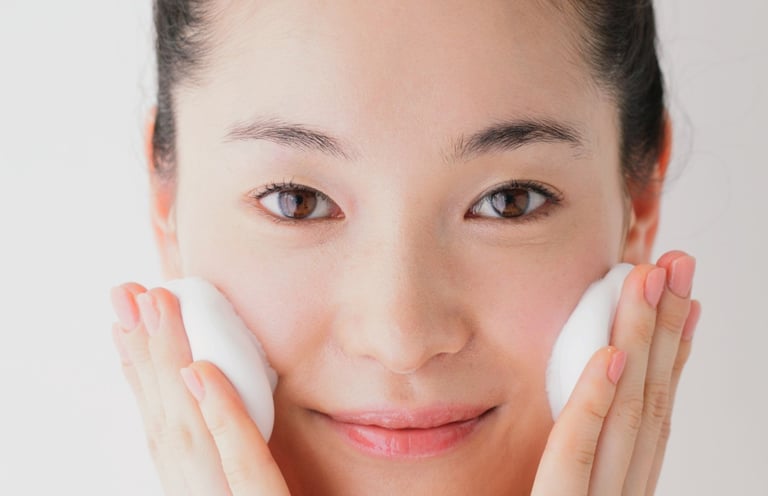
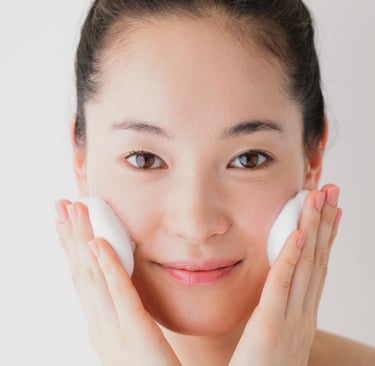
Step 1: Use a Gentle, Hydrating Cleanser


Toner removes remaining impurities after cleansing, restores the skin's natural pH balance, and prepares the skin to better absorb subsequent products like serums and moisturizers.
It also helps minimize the appearance of pores, provides hydration, and can address specific skin concerns depending on the ingredients.
Benefits of using toner
Removes impurities:
Toner removes any dirt, makeup, or oil left behind after cleansing, leaving the skin feeling refreshed and clean.
Restores pH balance:
It helps restore the skin's natural, slightly acidic pH level and protects against dryness and irritation.
Enhances product absorption:
By providing a clean, balanced surface, toner allows serums and moisturizers to penetrate deeper into the skin, making them more effective.
Minimizes pores:
It can help to temporarily tighten pores, which gives the skin a smoother appearance.
Hydrates skin:
Many toners are formulated with hydrating ingredients that help moisturize the skin.
Addresses specific concerns:
Different toners can be formulated to target specific issues.
For example, those with acids can help exfoliate, while others can help brighten or reduce redness.
How to use toner
Apply toner after cleansing your face, both in the morning and at night.
Use a cotton pad to gently wipe it across your skin or pat it on with your fingertips.
Follow with your other skincare products, such as serums and moisturizers.
Try:
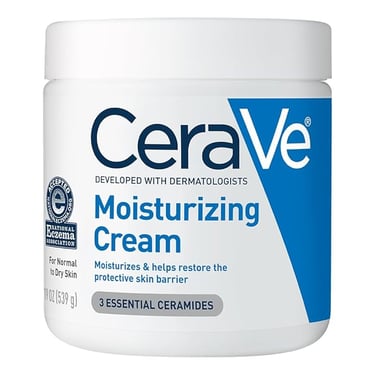
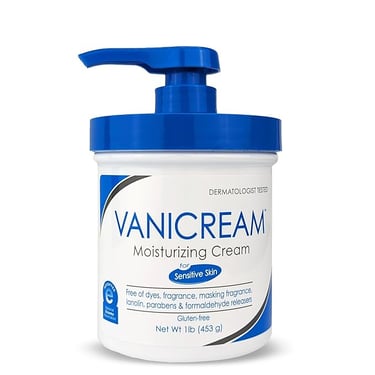
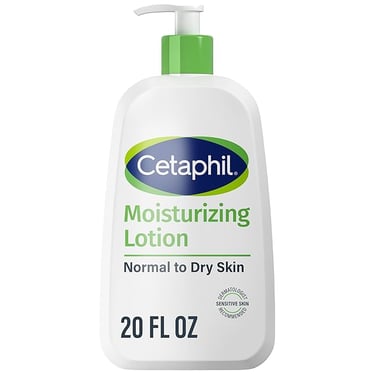
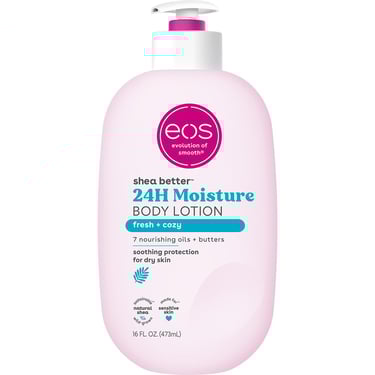
Step 3: Use a Thick Moisturizer


Winter requires moisturizers that are:
Cream-based
Ceramide-rich
Non-irritating
Long-lasting
How to apply:
Apply after toner
Use more on dry areas (cheeks, nose corners)
Apply 2× if needed
Best affordable options :
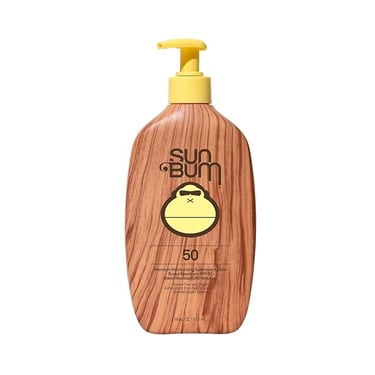
Step 4: Use Sunscreen – Even in Winter!


Is Sunscreen important even in winter?
Yes, sunscreen is important in winter because UV rays are still present and can damage your skin, cause premature aging, and increase the risk of skin cancer.
Snow can reflect up to 80% of UV radiation, leading to "double exposure" and increasing the risk of damage. Winter sun also contributes to dryness, and a moisturizing sunscreen can help protect your skin's moisture barrier.
Why we should use sunscreen in winter
UV rays persist:
Even on cloudy or cold days, up to 80% of the sun's UV rays can penetrate your skin. UVA rays can also pass through windows, so you are exposed even indoors or while in a car.
Snow reflects UV rays:
Snow can reflect UV radiation, which increases your exposure. This "double whammy" of direct and reflected rays can be particularly intense during winter sports like skiing or snowboarding.
Protects against dryness and irritation:
Cold, dry winter air and indoor heating can strip your skin of moisture. Using sunscreen can help protect against sun-induced dehydration and act as a barrier against harsh winds.
Prevents aging and other damage:
Consistent sun exposure, even in winter, leads to premature aging like fine lines and wrinkles. Sunscreen helps prevent this and also reduces the risk of skin cancer.
Maintains even skin tone:
Sunscreen helps prevent hyperpigmentation and uneven skin tone caused by UV exposure.
What to look for
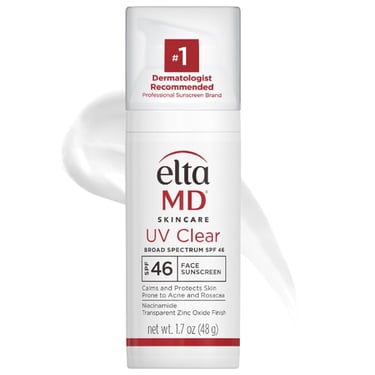
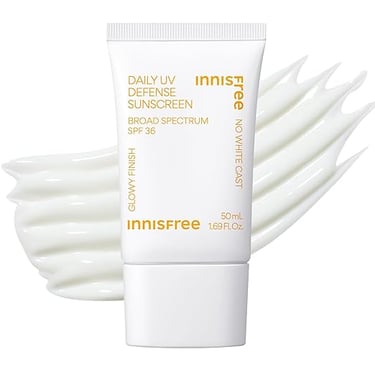
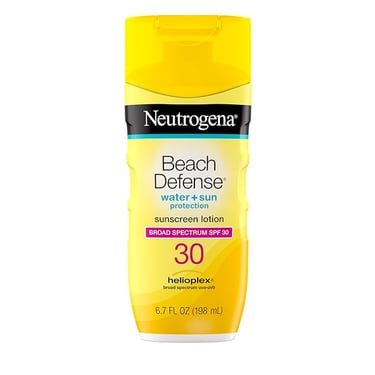
Choose a broad-spectrum sunscreen to protect against both UVA and UVB rays.
Opt for a product with an SPF of 30 or higher.
Look for a moisturizing sunscreen to help combat winter dryness
How to apply:
Use 2 fingers of sunscreen
Reapply if outside for long
Bestseller Sunscreens:
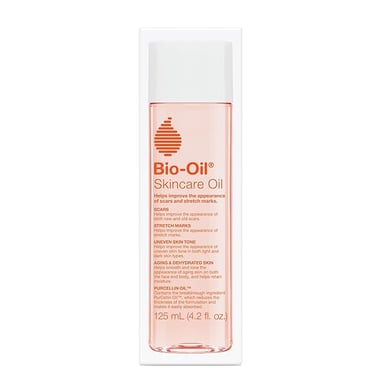
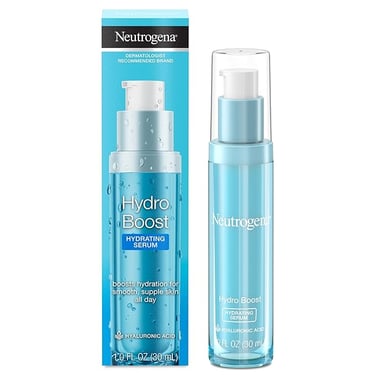
Step 5: Add a Hydrating Serum (Optional but Highly Effective)

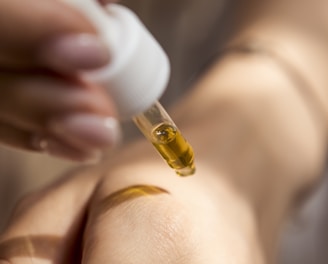
When is serum necessary?
You should use a serum if you have specific skin concerns like dark spots, fine lines, dullness, or acne, as they are highly concentrated to target these issues.
A serum is beneficial because its active ingredients deliver potent results, but it should be used after cleansing and toning and before moisturizing to ensure proper absorption.
Benefits of using a serum
Targets specific concerns: Serums are formulated with a high concentration of active ingredients to address issues like fine lines, wrinkles, dark spots, and dullness.
Hydrates the skin: Many serums contain hydrating ingredients like hyaluronic acid that keep the skin plump and moisturized.
Refines skin texture: Serums can help reduce the appearance of large pores, leading to smoother skin.
Boosts overall health: A serum nourishes the skin and can help protect it from premature aging and damage.
How to use a serum
Cleanse and tone: Start with a clean face by cleansing and applying a toner.
Apply the serum: Apply a few drops of the serum to your fingertips and gently pat or spread it evenly over your face and neck.
Follow with moisturizer: Apply your moisturizer to lock in the benefits of the serum. You should apply a serum before a moisturizer because the lighter consistency allows the active ingredients to penetrate the skin effectively before being sealed in by the thicker cream.
Apply SPF: If it's daytime, finish with sunscreen.
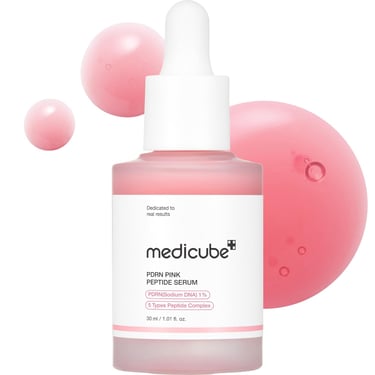
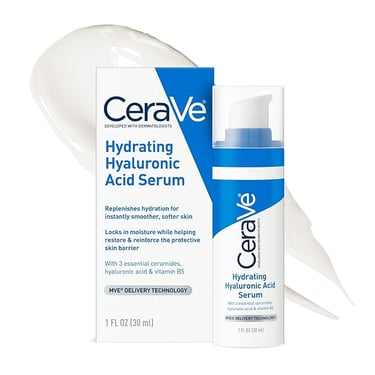
Great Hydrating Serums:
6.Weekly skincare routine in winter


A weekly routine gives your skin some extra care that a daily routine may not provide.
Mondays are perfect for starting the week with a hydration boost.
After cleansing, apply aloe vera gel followed by a hydrating serum, and use a sheet mask to give your skin an immediate surge of moisture.
On Tuesday, treat your skin to a gentle exfoliation. Cold weather slows down natural skin shedding, so dead skin can build up and cause dullness.
Use a mild exfoliator like lactic acid if you have dry or sensitive skin, or salicylic acid if you have acne-prone skin. This ensures that the rest of your products penetrate more effectively.
Wednesday is your barrier repair day — the most important part of winter skincare.
Apply a ceramide-based moisturizer and add a few drops of Jojoba oil to lock in hydration and strengthen the skin.
This simple step prevents flakiness and redness throughout the season.
On Thursday, pay attention to your lips and under-eye area, as these are the first to show winter damage.
Gently exfoliate your lips with a homemade scrub (honey and sugar works wonderfully)
And apply a thick lip mask. Use an eye cream with caffeine or hyaluronic acid to reduce dryness and puffiness.
Friday can be your mini at-home facial day. After cleansing, take a few minutes to steam your face lightly.
Then apply a natural face mask like Multani Mitti, sandalwood, or a store-bought hydrating mask.
This gives your skin a refreshed glow for the weekend.
On Saturday night, use a sleeping mask that works overnight to restore moisture and repair damage caused by cold air.
These masks deeply hydrate the skin and leave you looking fresh and plump by morning.
Finally, Sunday is your full self-care day.
Take your time to exfoliate gently, apply a hydrating mask, oil your hair, and change your pillowcase and face towel to maintain hygiene and avoid breakouts.
7. Winter Skincare Do's & Don'ts
DO
Use lukewarm water
Apply moisturizer on damp skin
Use hydrating serums
Keep lip balm in your bag
DON'T
Wash face with hot water
Use alcohol-based toners
Over-exfoliate
Skip sunscreen
8. Final Words
Winter doesn’t have to ruin your skin. With the right products and simple habits, you can enjoy healthy, glowing, soft skin all season.
Follow this routine daily and your skin barrier will stay strong and smooth throughout winter
Subscribe to our newsletter


Enjoy exclusive special deals available only to our subscribers.
LEGAL
Follow Us
© 2025 Pink Beauty Tips. All Rights Reserved.
QUICK LINKS
Latest Posts
Popular Posts
Skincare | Hair Care | Natural Remedies | Makeup Tips